


Glass, Ratings and Installation Explained
Windows do more than bring natural light into a home. They also influence indoor comfort, heating and cooling demands, and the way a home responds to changing outdoor temperatures. In modern homes, where homeowners often prioritize energy efficiency alongside appearance, choosing the right windows can be an important part of a larger building or renovation strategy.
A window’s performance depends on several factors, including its frame material, glass construction, seals, design, and installation. Even a well-designed window may not deliver its intended performance if it is poorly fitted or if the surrounding opening has air leaks. Understanding these factors can help homeowners make more informed decisions when building, renovating, or replacing older windows.
At General Lumber in Hoboken, homeowners can explore window options from manufacturers including Marvin. General Lumber’s team helps customers evaluate products for their projects, with options suited to different design preferences, construction requirements, and budgets.
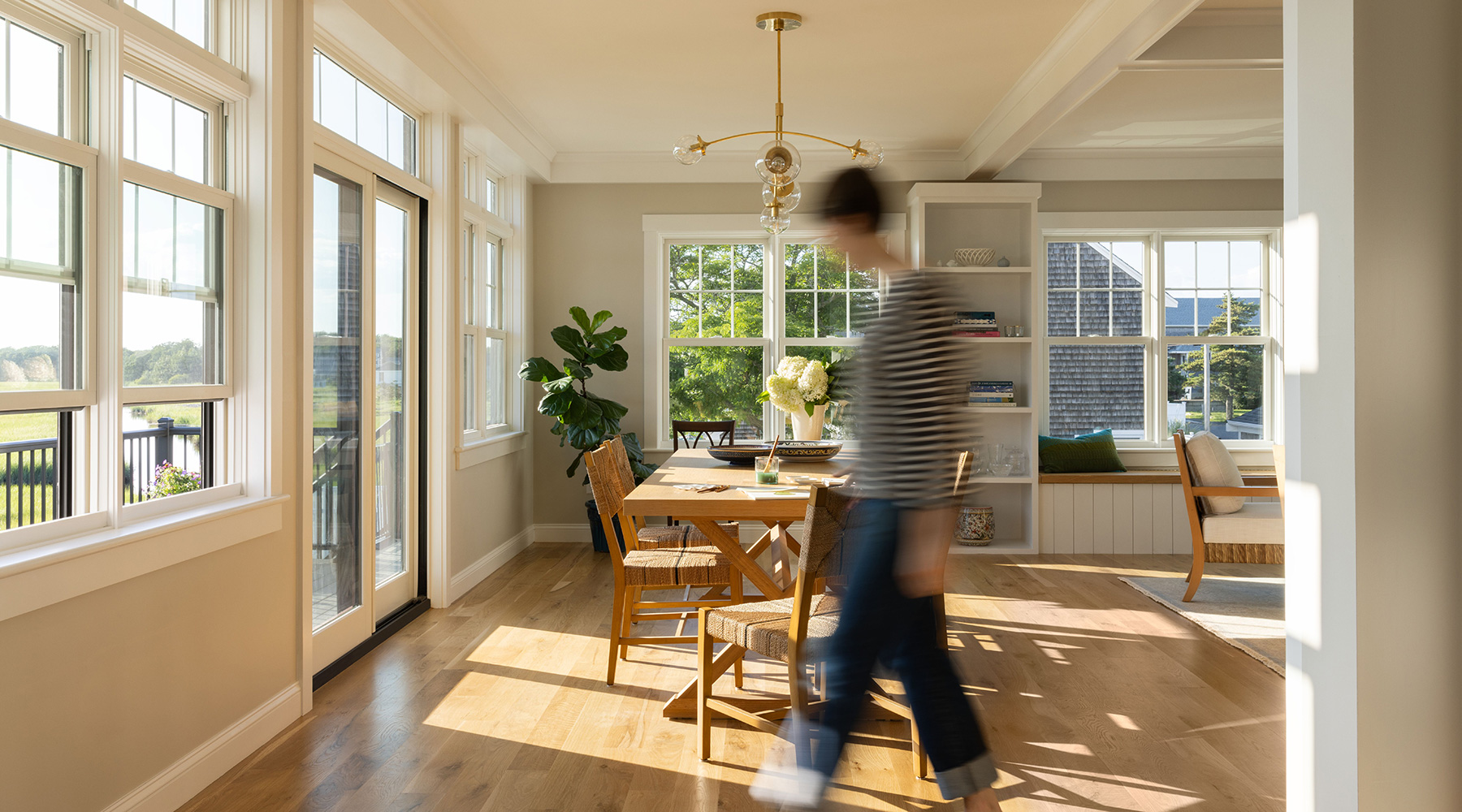
Why Windows Matter for Home Energy Efficiency
Windows form part of the home’s exterior envelope, separating indoor living spaces from outdoor conditions. Unlike insulated walls, windows contain substantial areas of glass, which allow daylight into a room but also permit heat transfer.
During winter, heat can move from a warmer interior toward the colder outdoors. During summer, heat from outside can enter the home, especially when sunlight shines directly through the glass. Air leakage around poorly sealed windows can create another source of discomfort.
These effects can influence how often a heating or cooling system operates and whether rooms maintain consistent temperatures.
Older windows may have worn weatherstripping, deteriorated seals, damaged frames, or glazing that does not meet a homeowner’s current performance goals. In some cases, maintenance or repairs can address the problem. In others, replacement may offer an opportunity to improve comfort and update the home’s appearance.
However, age alone does not determine whether a window is inefficient. Its actual condition, construction, installation, and exposure to the weather all matter.
Understanding the Main Factors That Affect Window Performance

When comparing windows, it is helpful to look beyond the appearance of the frame or the number of glass panes. Several technical characteristics influence how a window performs.
1. Glass and Insulating Glass Units
Many modern windows use insulating glass units, which consist of two or more panes separated by a sealed space. This space reduces heat transfer compared with a single pane of glass.
Depending on the product, the space between panes may contain air or an insulating gas. The construction of the unit, the spacer system, and the integrity of the seals all contribute to its performance.
Double-pane windows are common in residential construction, while some products use triple-pane configurations. More panes do not automatically make a particular window the right choice for every home. Homeowners should compare the performance ratings, climate conditions, cost, and project requirements of the available options.
The glass specification is especially important in homes where large windows, expansive views, or substantial areas of glazing are part of the design.
2. Low-E Glass Coatings
Low-emissivity, or Low-E, coatings are designed to manage the transfer of radiant heat through glass. These microscopically thin coatings can help reduce unwanted heat transfer while allowing daylight to enter.
The appropriate Low-E specification depends on the home’s climate, orientation, and performance goals. A window exposed to strong afternoon sun may have different requirements from one facing north or receiving limited direct sunlight.
Homeowners should not assume that all Low-E glass performs identically. Different coatings affect solar heat gain and visible light transmission in different ways. Reviewing the manufacturer’s performance information can help determine which option best suits the project.
3. Window Frame Materials
Frame materials influence durability, maintenance requirements, appearance, and thermal performance.
Wood frames offer a natural interior finish that can complement traditional and contemporary architecture. Their performance and maintenance needs depend on the specific product construction, finishes, and exposure conditions.
Fiberglass frames offer another option for homeowners evaluating strength, durability, and design. Marvin’s Essential collection, for example, uses fiberglass for both the interior and exterior, while its Elevate collection combines a wood interior with a fiberglass exterior.
Other products use different frame materials and construction methods. The best choice depends on the homeowner’s priorities, the building’s design, and the manufacturer’s specifications.
It is important to evaluate the complete window rather than the frame material alone. Glass, seals, hardware, frame design, and installation all contribute to overall performance.
4. Air Leakage and Weatherstripping
Air leakage occurs when outside air enters or conditioned air escapes through gaps in a window assembly or around its installation opening.
Drafts may be noticeable near older windows, especially during cold or windy weather. Worn weatherstripping, poorly adjusted hardware, deteriorated seals, and gaps around the frame can all contribute to unwanted air movement.
A replacement window should be selected and installed with attention to the condition of the existing opening and the methods required to seal the assembly properly.
Homeowners should also distinguish between air leakage and other sources of discomfort. Cold glass surfaces, radiant heat transfer, and differences in room temperature can make an area near a window feel uncomfortable even when there is no obvious draft.
Identifying the underlying issue helps determine whether repairs, sealing improvements, or full replacement are appropriate.
Understanding Window Energy Ratings
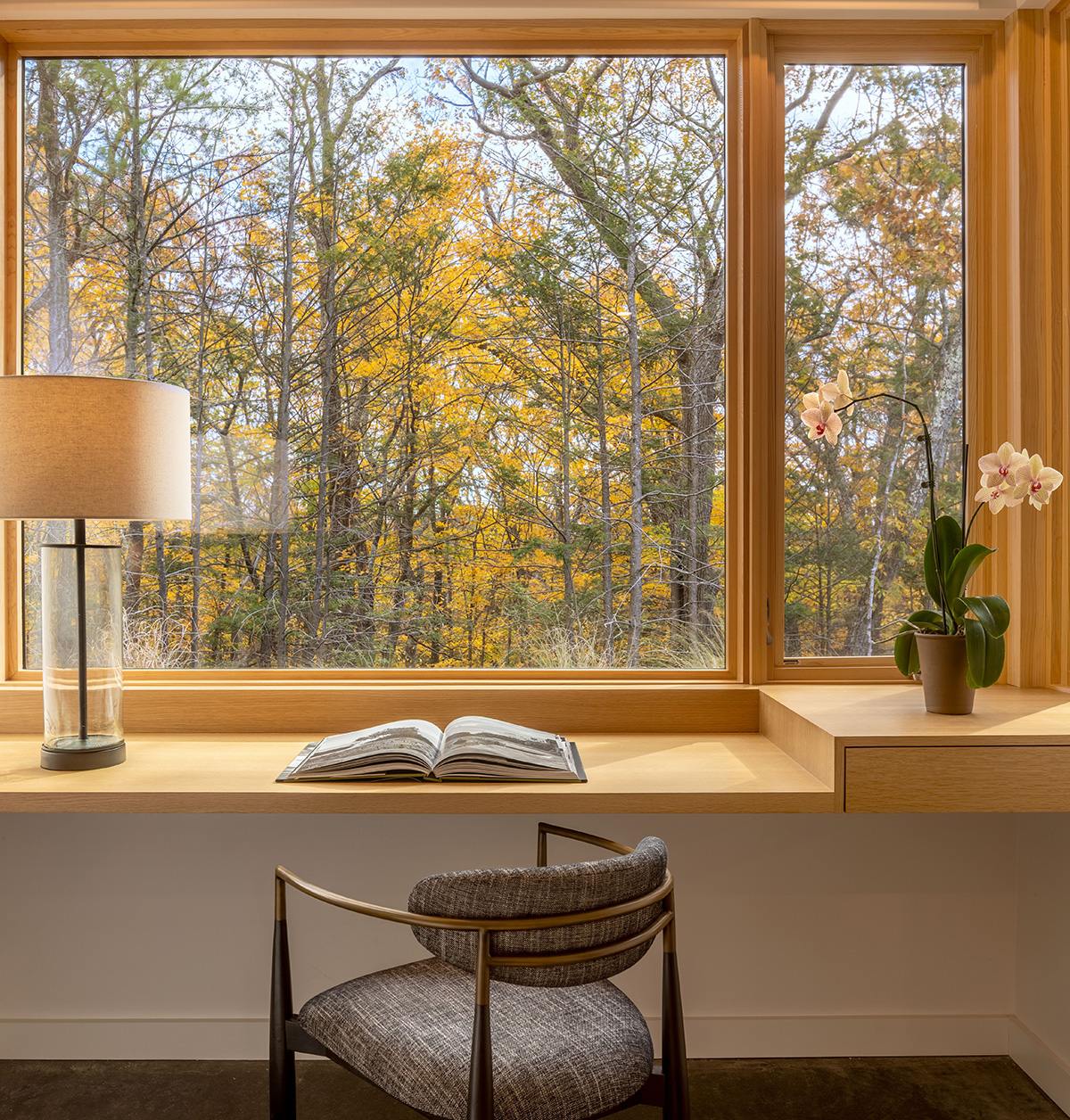
Energy ratings provide a useful way to compare products, but homeowners need to understand what the numbers represent.
Two common measurements are U-factor and solar heat gain coefficient. They describe different aspects of window performance and should be considered together rather than treated as interchangeable.
U-Factor
U-factor measures how readily heat transfers through a window assembly. A lower U-factor generally indicates better resistance to heat transfer.
This measurement is particularly relevant when evaluating windows for homes that experience cold winters. A lower U-factor can help reduce heat loss through the window, although the actual impact on energy use depends on the entire building and its heating system.
Solar Heat Gain Coefficient
Solar heat gain coefficient, commonly abbreviated as SHGC, measures how much solar radiation enters through a window and becomes heat indoors.
A lower SHGC generally means less solar heat gain. This can be beneficial in spaces that receive substantial direct sunlight, especially during warmer months.
However, solar heat gain is not always undesirable. In some situations, carefully selected windows can make useful contributions from winter sunlight. The best SHGC depends on climate, orientation, shading, and the home’s heating and cooling needs.
Visible Transmittance
Visible transmittance describes how much visible light passes through the glass. Higher values generally mean more daylight enters the room.
Homeowners should balance daylight with glare control, privacy, and solar heat management. A window that performs well in one category may involve trade-offs in another, so the complete performance information is important.
The National Fenestration Rating Council’s ratings and applicable ENERGY STAR criteria can help homeowners compare products using standardized measurements. Requirements and qualifying products vary by product category and climate zone, so ratings should be checked for the specific window being considered.
How Window Orientation Affects Efficiency
The direction a window faces can influence both comfort and energy use.
South-facing windows may receive substantial sunlight during parts of the year, while west-facing windows can experience intense afternoon sun. East-facing windows receive morning sunlight, and north-facing windows generally receive less direct solar exposure in many Northern Hemisphere locations.
These differences matter when selecting glass specifications and planning shading.
For example, a homeowner renovating a west-facing living room may prioritize managing afternoon heat and glare. Another homeowner may want to preserve daylight in a north-facing room while improving resistance to winter heat loss.
Exterior overhangs, landscaping, blinds, and other shading strategies can also affect performance. Window selection should therefore account for the building’s orientation and the conditions around each opening rather than relying on one specification for every room.
In established neighborhoods such as Hoboken, the surrounding buildings, available space, and architectural requirements may also influence the options available for a particular project.
Why Proper Installation Matters
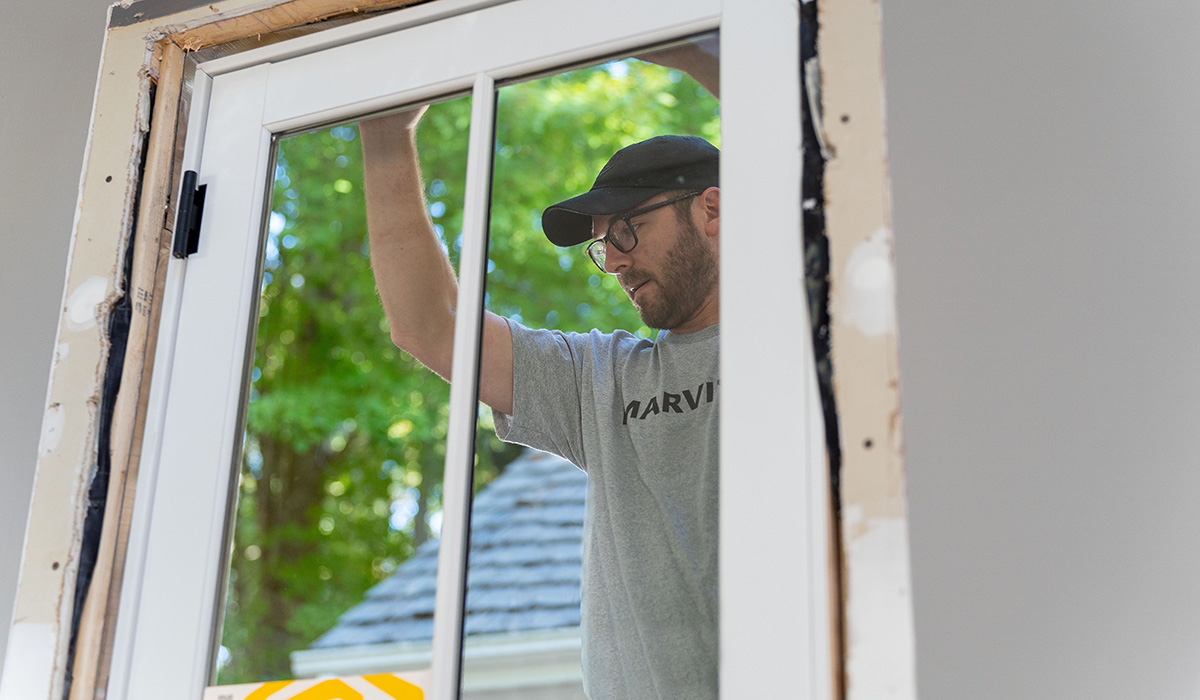
Choosing a high-performing window is only part of the process. Installation is equally important because the window must integrate correctly with the building’s existing structure and weather-resistant layers.
An improperly installed window may have gaps, inadequate flashing, poor drainage details, or insufficient sealing. These issues can contribute to drafts, water intrusion, and damage around the opening.
Professional installation should account for the manufacturer’s instructions, the condition of the rough opening, the appropriate flashing and sealing methods, and the requirements of the building.
General Lumber states that its installers are trained to install windows according to each manufacturer’s recommendations. Its team also assists customers with window selection and installation for replacement, remodeling, and new construction projects.
For homeowners, discussing the installation plan early can clarify what the project involves, whether repairs to the surrounding opening may be necessary, and how the work will be coordinated.
Signs Your Existing Windows May Need Attention
Not every uncomfortable room requires new windows, but certain warning signs justify a closer inspection.
- Persistent drafts: Noticeable air movement near closed windows may indicate gaps, worn weatherstripping, or installation issues.
- Difficulty opening or closing: Sticking sashes, faulty locks, or damaged hardware can affect usability and may indicate wear.
- Water intrusion: Leaks, water stains, or deteriorating materials around a window require investigation.
- Condensation between glass panes: Moisture trapped inside an insulating glass unit can indicate a failed seal.
- Uneven indoor comfort: Rooms that are consistently difficult to heat or cool may benefit from an assessment of the windows and the wider building envelope.
- Rising energy bills: Increased heating or cooling costs can have many causes, but deteriorating windows may be one factor worth investigating.
Condensation on the room-facing surface of glass is different from moisture trapped between panes. Interior condensation is often related to indoor humidity and surface temperatures, so it does not automatically mean a window needs replacement.
A professional assessment can help identify whether the problem involves the window itself, the surrounding installation, indoor humidity, or another part of the home.
Exploring Marvin Window Collections at General Lumber
For homeowners considering new windows, General Lumber offers access to several Marvin collections, each with its own design approach and material characteristics.
- The Marvin Essential collection features a streamlined design with fiberglass interiors and exteriors. Its restrained appearance may suit homeowners who want a clean, contemporary look.
- The Marvin Elevate collection combines a wood interior with a fiberglass exterior, offering a different balance of interior warmth and exterior durability.
- The Marvin Ultimate collection provides a wider range of shapes, sizes, and customization possibilities for projects with more specific design requirements.
- The Marvin Modern collection features sleek profiles, expansive glass, and minimalist design, making it an ideal choice for contemporary architecture and homeowners seeking a modern look.
These descriptions are starting points rather than substitutes for product specifications. Available configurations, glass packages, performance ratings, and options should be confirmed for the individual window being considered.
General Lumber’s Hoboken showroom gives homeowners an opportunity to explore premium products and discuss their needs with the team. That conversation can help narrow the options based on the home’s architecture, energy goals, and budget.
FAQ – Energy-Efficient Windows
What makes a window energy efficient?
A window’s energy efficiency depends on the complete assembly: insulating glass with two or more panes, Low-E coatings that manage radiant heat, a well-designed frame, tight weatherstripping and seals, and proper installation. Compare NFRC ratings such as U-factor and solar heat gain coefficient (SHGC), and remember that even a high-performing window can underperform if the opening isn’t properly flashed and sealed.
What is the difference between U-factor and SHGC?
U-factor measures how readily heat passes through a window. A lower U-factor means better resistance to heat loss, which matters in cold New Jersey winters. Solar heat gain coefficient (SHGC) measures how much of the sun’s radiation becomes heat indoors. A lower SHGC means less solar heat gain, which helps sun-exposed rooms. Look at the two ratings together, along with the window’s orientation.
Are triple-pane windows worth it in New Jersey?
It depends on the home. Double-pane windows with Low-E glass are common and perform well in many New Jersey homes. Triple-pane glass can lower U-factor further and may suit large glass areas, noisy urban settings or homes with ambitious efficiency goals. It also adds weight and changes the glass specification. Compare the NFRC ratings, orientation and project requirements for the specific window before deciding.
Does condensation on my windows mean they need replacing?
Not necessarily. Condensation on the room-facing surface of the glass is usually caused by indoor humidity and surface temperature, not window failure. Moisture or fogging between the panes of an insulating glass unit, however, typically indicates a failed seal and is worth having assessed. A professional inspection can determine whether the issue is the glass, the installation or indoor humidity.
Can energy-efficient replacement windows work on a historic brownstone?
Yes. Premium replacement windows can combine insulating glass and Low-E coatings with traditional profiles, divided lites and custom sizes that respect a brownstone’s original character. In Hoboken, Jersey City and other historic districts, check local preservation requirements early. General Lumber has nearly a century of experience helping homeowners and architects specify Marvin windows for historic homes in Northern New Jersey.
Making Energy Efficiency Part of Your Next Window Project
Windows play an important role in a home’s comfort, appearance, and energy performance. Glass construction, frame materials, air leakage, solar heat gain, and installation all influence the final result.
For homeowners in Hoboken, Hudson County, and the surrounding New Jersey and New York area, evaluating these factors can make a window replacement or new construction project more straightforward.
General Lumber works with customers from product selection through installation, helping them compare options and plan projects around their needs.