


Balancing Preservation and Performance with Aluminum-Clad Wood Windows for Brownstones and Historic Districts
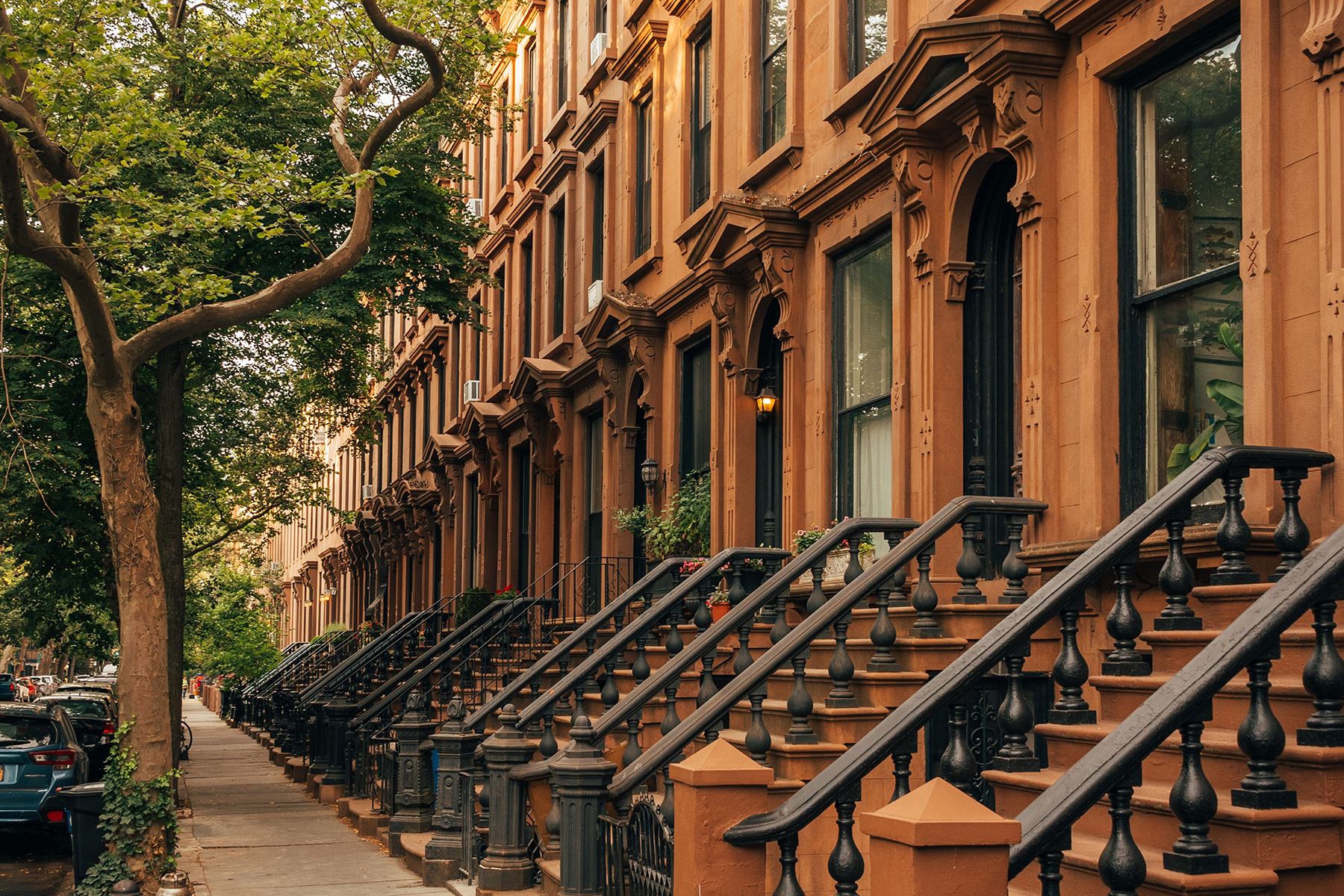
Historic homes and buildings are an important part of New Jersey’s architectural heritage. From Victorian brownstones and Colonial-era homes to early 20th-century townhomes and commercial buildings, these structures tell the story of the communities they helped shape. In cities such as Hoboken, Jersey City, and throughout the greater New York metropolitan area, historic properties contribute significantly to neighborhood character and property value.
While historic buildings offer timeless beauty and craftsmanship, they often present unique challenges when it comes to modernization. One of the most common concerns for homeowners, architects, and preservation specialists is replacing aging windows while maintaining the building’s historic integrity.
Today’s window technologies provide opportunities to improve comfort, energy efficiency, and durability without compromising architectural authenticity. Manufacturers such as Marvin have developed products and customization capabilities specifically designed to help architects and contractors balance preservation requirements with modern performance expectations.
At General Lumber in Hoboken, NJ, we frequently work with homeowners, builders, architects, and preservation professionals to identify window solutions that respect the past while supporting the needs of modern living.
Why Windows Are Critical in Historic Renovations
Windows are often one of the most defining architectural elements of a historic building. Their proportions, grille patterns, sightlines, profiles, and materials all contribute to a structure’s character.
In many historic districts, window replacement projects must comply with local preservation guidelines that govern:
- Window size and configuration
- Grille patterns
- Sightline dimensions
- Frame profiles
- Exterior finishes
- Material appearance
- Glass characteristics
Because windows are so visually prominent, replacing them with products that fail to match the original design can significantly alter a building’s appearance and potentially affect its historic designation.
At the same time, original windows may suffer from decades of wear, resulting in:
- Air infiltration
- Water intrusion
- Rot and deterioration
- Drafts and comfort issues
- Increased energy costs
- Difficulty operating windows
- Condensation problems
The goal of a successful historic renovation is to address these performance issues while preserving the architectural character that makes the property unique.
The Evolution of Historic Window Replacement
Historically, homeowners often had to choose between preserving original aesthetics and improving energy performance. Many replacement products simply could not replicate the appearance of historic windows.
Fortunately, advances in manufacturing, materials, and glazing technology have transformed the market.
Today’s premium window manufacturers can recreate many of the visual details found in historic windows while incorporating modern innovations such as:
- Low-E glass coatings
- Insulated glazing systems
- Advanced weatherstripping
- Improved thermal breaks
- Durable exterior cladding
- Custom grille patterns
- Historic profile replication
As a result, property owners no longer need to sacrifice performance to maintain authenticity.
Understanding Preservation Requirements
Before selecting replacement windows, it is important to understand the specific requirements that may apply to a historic property.
Some projects fall under:
- Local historic preservation commissions
- Historic district review boards
- State preservation offices
- Federal preservation guidelines
- Neighborhood architectural review committees
Each organization may have unique requirements regarding window replacement.
In many cases, reviewers focus on preserving visual characteristics rather than requiring exact replication of original construction methods. This creates opportunities to utilize modern materials and technologies while maintaining an authentic appearance.
Working with experienced architects, contractors, and suppliers early in the process can help avoid delays and ensure compliance with preservation requirements.
Key Characteristics of Historic Windows
When evaluating replacement options, preservation professionals often focus on several architectural details.
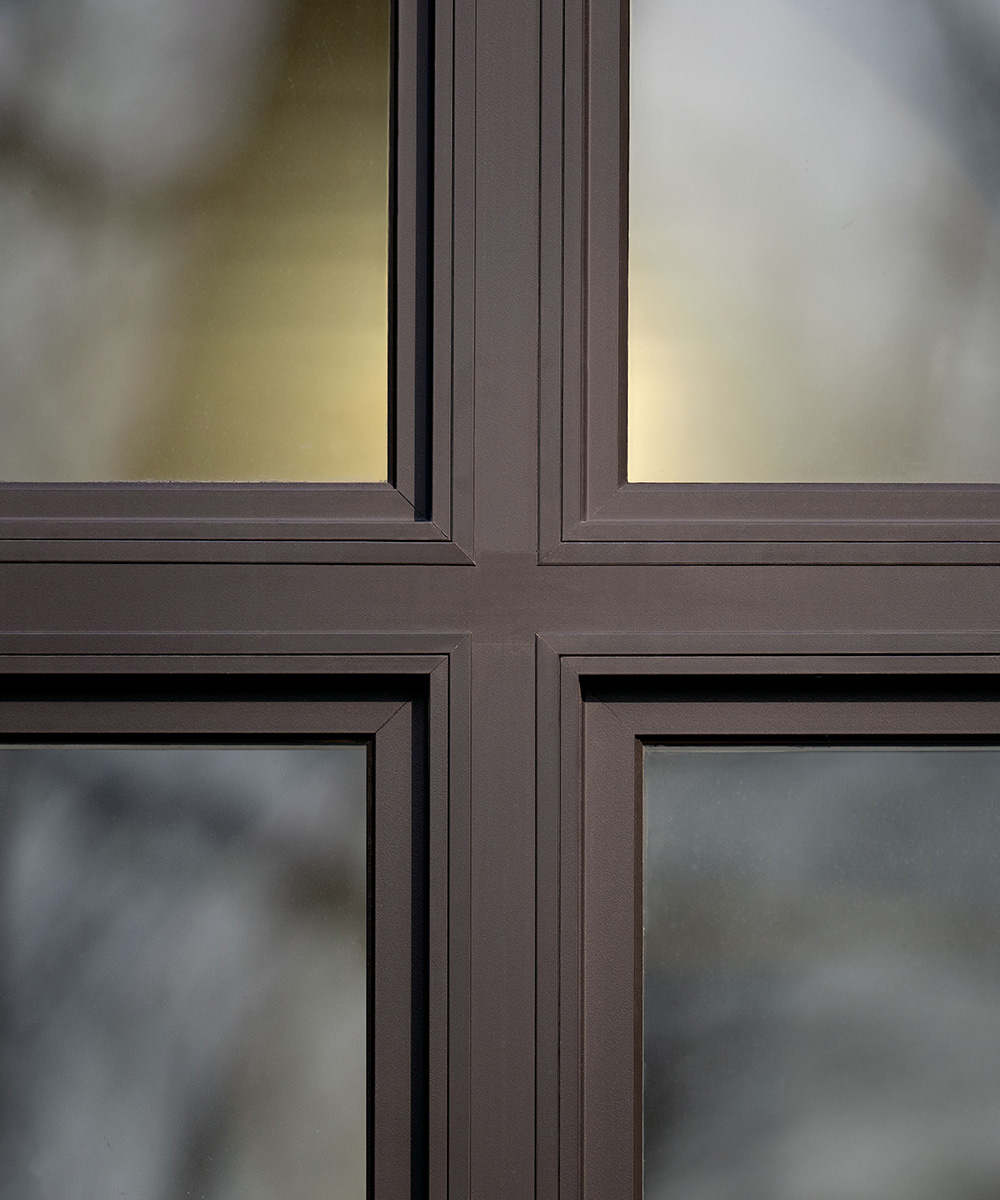
Sightlines
Sightlines refer to the visible width of window frames, sash components, and muntins.
Historic windows frequently feature narrow profiles that maximize glass area and create elegant proportions.
Modern manufacturers have invested heavily in developing products that replicate these dimensions while incorporating stronger materials and improved weather resistance.
Grille Patterns
Many historic homes feature distinctive grille patterns that contribute to their architectural style.
Examples include:
- Colonial grids
- Prairie patterns
- Craftsman designs
- Victorian configurations
- Custom divided lite arrangements
Modern manufacturing allows for highly customized grille options that closely replicate original designs.
Exterior Appearance
Maintaining the exterior appearance of a historic building is often a primary objective.
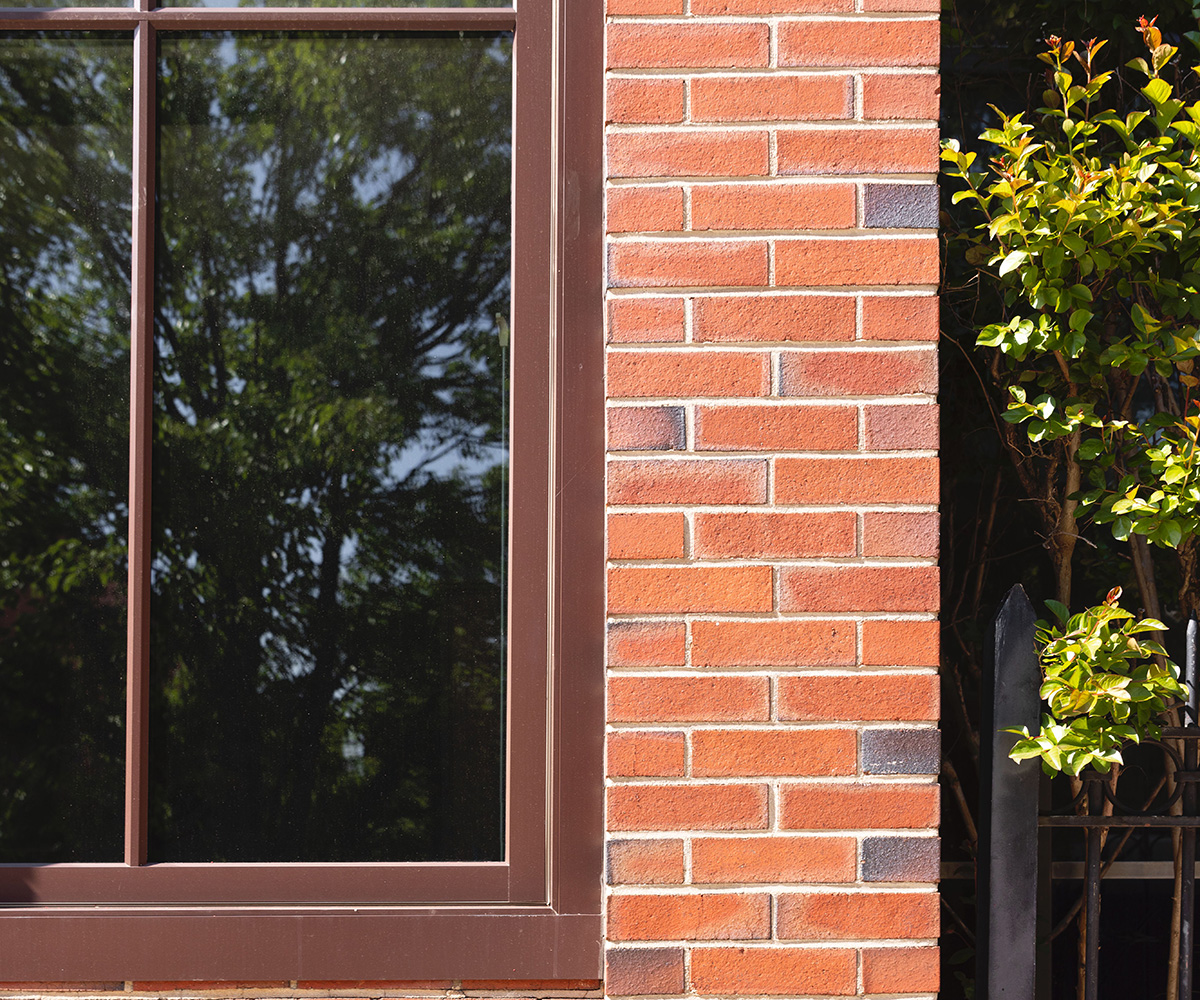
Today’s aluminum-clad and fiberglass products can provide the appearance of painted wood while delivering significantly improved durability and reduced maintenance requirements.
Interior Authenticity
Many homeowners renovating historic homes place a high value on maintaining natural wood interiors.
Wood interiors provide warmth, authenticity, and architectural character that complement traditional homes and restoration projects.
Improving Energy Efficiency Without Sacrificing Character
One of the most significant advantages of modern replacement windows is improved energy performance.
Older single-pane windows often allow substantial heat transfer, contributing to higher utility bills and reduced comfort throughout the year.
Modern glazing technologies provide several performance benefits.
Insulated Glass Units
Dual-pane and triple-pane glass systems create insulating air spaces that significantly reduce heat transfer.
These systems help maintain indoor comfort while reducing heating and cooling demands.
Low-E Glass Coatings
Low-emissivity (Low-E) coatings help regulate solar heat gain and reduce ultraviolet light transmission.
Benefits include:
- Improved energy efficiency
- Reduced fading of furnishings
- Enhanced comfort
- Better seasonal performance
Improved Air Sealing
Modern weatherstripping and frame engineering dramatically reduce drafts and air infiltration compared to aging historic windows.
Enhanced Comfort
Homeowners often notice immediate improvements in comfort after upgrading historic windows, particularly near large window openings.
Rooms become more usable year-round and experience fewer temperature fluctuations.
How Marvin Supports Historic Renovation Projects
Marvin has long been recognized as a preferred manufacturer for architects, builders, and preservation specialists working on historic properties.
The company’s commitment to customization and craftsmanship makes its products particularly well-suited for historic renovation applications.
Extensive Customization Capabilities
Many historic projects require windows that differ from standard production sizes and configurations.
Marvin offers:
- Custom sizes
- Custom shapes
- Specialized grille patterns
- Historic-inspired profiles
- Multiple exterior finishes
- Extensive interior wood options
This flexibility allows architects to closely match original designs while incorporating modern performance features.
Marvin Ultimate™ Collection
The Marvin Ultimate™ Collection is frequently specified for historic renovations because of its exceptional design flexibility and authentic wood craftsmanship.
Benefits include:
- Rich wood interiors
- Traditional architectural detailing
- Custom grille configurations
- Historic profile options
- Aluminum-clad exteriors
- Superior energy efficiency
For many preservation projects, the Ultimate™ Collection provides the ideal balance between authenticity and durability.
Authentic Divided Lite Solutions
Historic windows often featured true divided lites with individual panes of glass separated by muntins.
Marvin offers multiple divided lite options designed to replicate these traditional appearances while benefiting from modern insulated glass technologies.
This helps preserve architectural authenticity without sacrificing performance.
Custom Colors and Finishes
Historic homes often require specific color palettes that complement original architectural details.
Marvin offers a broad selection of factory-applied finishes and interior wood species that help achieve historically appropriate aesthetics.
Benefits of Aluminum-Clad Windows in Historic Applications
One of the most common challenges with traditional wood windows is exterior maintenance.
Historic homeowners frequently face issues such as:
- Paint failure
- Rot
- Moisture damage
- Repeated refinishing costs
Aluminum-clad windows help address these concerns by protecting the exterior wood surface.
Benefits include:
- Reduced maintenance
- Long-term durability
- Resistance to weather exposure
- Consistent appearance
- Improved lifecycle value
At the same time, homeowners retain the beauty and authenticity of natural wood on the interior.
Collaborating with Architects and Contractors
Successful historic renovation projects require collaboration among multiple stakeholders.
Architects evaluate preservation requirements and design objectives.
Contractors assess installation challenges and building conditions.
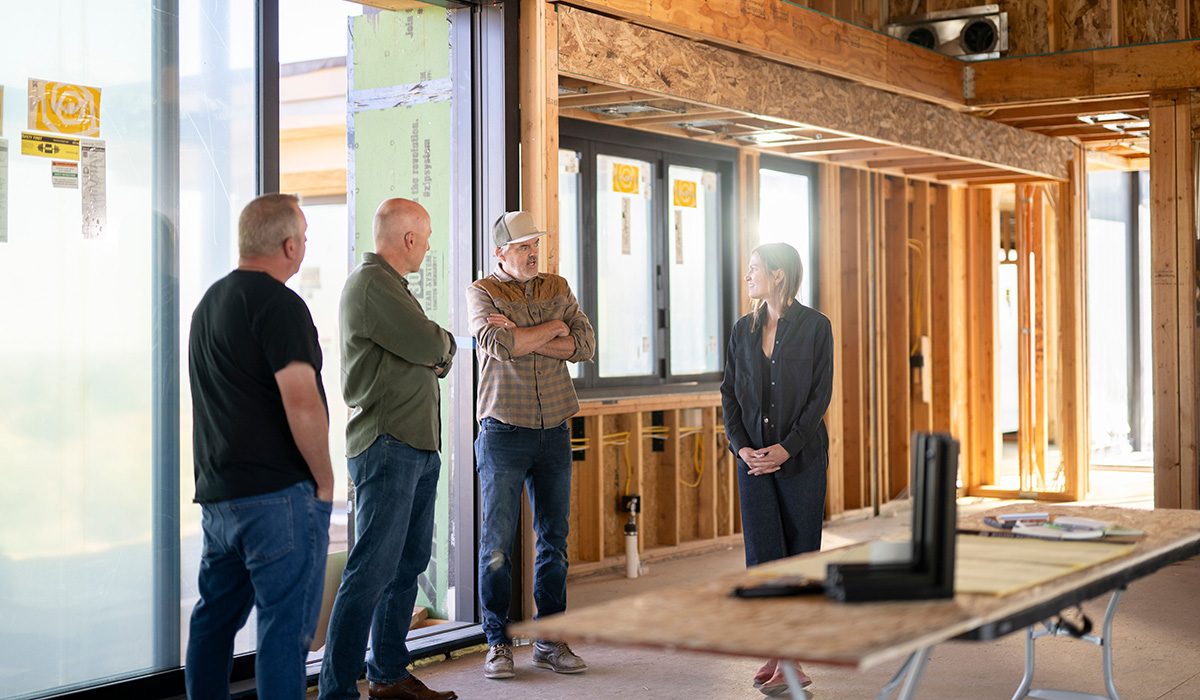
Manufacturers provide technical expertise and product customization options.
Suppliers such as General Lumber help coordinate product selection, specifications, and project support.
This collaborative approach helps ensure that replacement windows meet both preservation goals and performance expectations.
Common Historic Renovation Scenarios
Victorian Homes
Victorian homes often feature intricate grille patterns, decorative trim, and tall window openings.
Custom wood interiors and historically appropriate divided lite configurations can help preserve these defining features.
Colonial Homes
Colonial architecture frequently relies on symmetrical window arrangements and traditional grille patterns.
Modern wood and aluminum-clad products can replicate these aesthetics while dramatically improving thermal performance.
Brownstones and Townhomes
Urban brownstones throughout Hoboken and nearby communities often require replacement windows that maintain narrow sightlines and historic proportions.
Customized solutions allow homeowners to preserve exterior character while benefiting from modern technology.
Historic Commercial Buildings
Adaptive reuse and commercial renovation projects often require large custom windows that meet both preservation requirements and contemporary building performance standards.
Marvin’s extensive customization capabilities support these unique applications.
Long-Term Value of Historically Sensitive Window Replacements
Investing in high-quality replacement windows provides benefits that extend beyond aesthetics.
Homeowners may experience:
- Improved comfort
- Lower energy costs
- Reduced maintenance
- Enhanced property value
- Better sound control
- Increased durability
- Preservation of architectural character
For historic properties, maintaining authenticity while upgrading performance often delivers some of the strongest long-term returns on investment.
FAQ – Modern Windows for Historic Renovations
Can you replace the windows in a historic home without ruining its character?
Yes. Modern manufacturers such as Marvin can replicate the sightlines, grille patterns, and profiles of original windows while adding insulated glass and weather-tight seals. The result preserves a historic home’s exterior appearance and interior wood detailing while dramatically improving comfort and energy performance.
Do I need historic-district approval to replace windows in Hoboken or Northern NJ?
Often, yes. Many historic districts and preservation commissions review window replacements for size, grille pattern, sightlines, frame profile, and finish. Most reviewers focus on preserving the visual character rather than the original construction method, which allows modern materials, engaging your supplier and architect early helps avoid approval delays.
What are the best replacement windows for a Hoboken brownstone?
Custom, narrow-sightline windows with authentic divided lites are ideal for brownstones. Marvin’s Ultimate Collection is frequently specified because it offers historic profiles, custom sizes, aluminum-clad exteriors, and true or simulated divided lites — preserving the tall, elegant proportions typical of urban brownstones while meeting modern performance standards.
Why are aluminum-clad wood windows recommended for historic homes?
Aluminum-clad wood windows pair a low-maintenance, weather-resistant exterior with an authentic natural-wood interior. They eliminate the repeated painting, rot, and moisture damage common to all-wood historic windows, while retaining the warmth and craftsmanship that suit a period interior — delivering strong long-term value.
How much more energy-efficient are modern windows than original single-pane windows?
Substantially. Original single-pane windows allow significant heat transfer and air infiltration. Modern insulated (dual- or triple-pane) glass with Low-E coatings and advanced weatherstripping reduces drafts, stabilizes indoor temperatures, lowers heating and cooling demand, and cuts UV fading of furnishings — noticeable comfort gains near large window openings.
Partner with General Lumber for Your Historic Renovation Project
Historic renovations require thoughtful planning, expert guidance, and products capable of balancing preservation with performance. Whether you are restoring a historic brownstone in Hoboken, renovating a Colonial home in Northern New Jersey, or working on a commercial adaptive reuse project, selecting the right windows is critical to achieving your goals.
At General Lumber, our experienced team works closely with homeowners, architects, builders, and contractors to identify window solutions that respect the past while embracing the benefits of modern technology. As a trusted Marvin dealer, we can help you explore custom window options designed specifically for historic applications, ensuring your project maintains its architectural integrity while improving comfort, energy efficiency, and long-term durability.
Contact General Lumber today or visit our Hoboken showroom to learn more about Marvin windows and discover how modern window technology can help preserve the beauty and character of your historic property for generations to come.